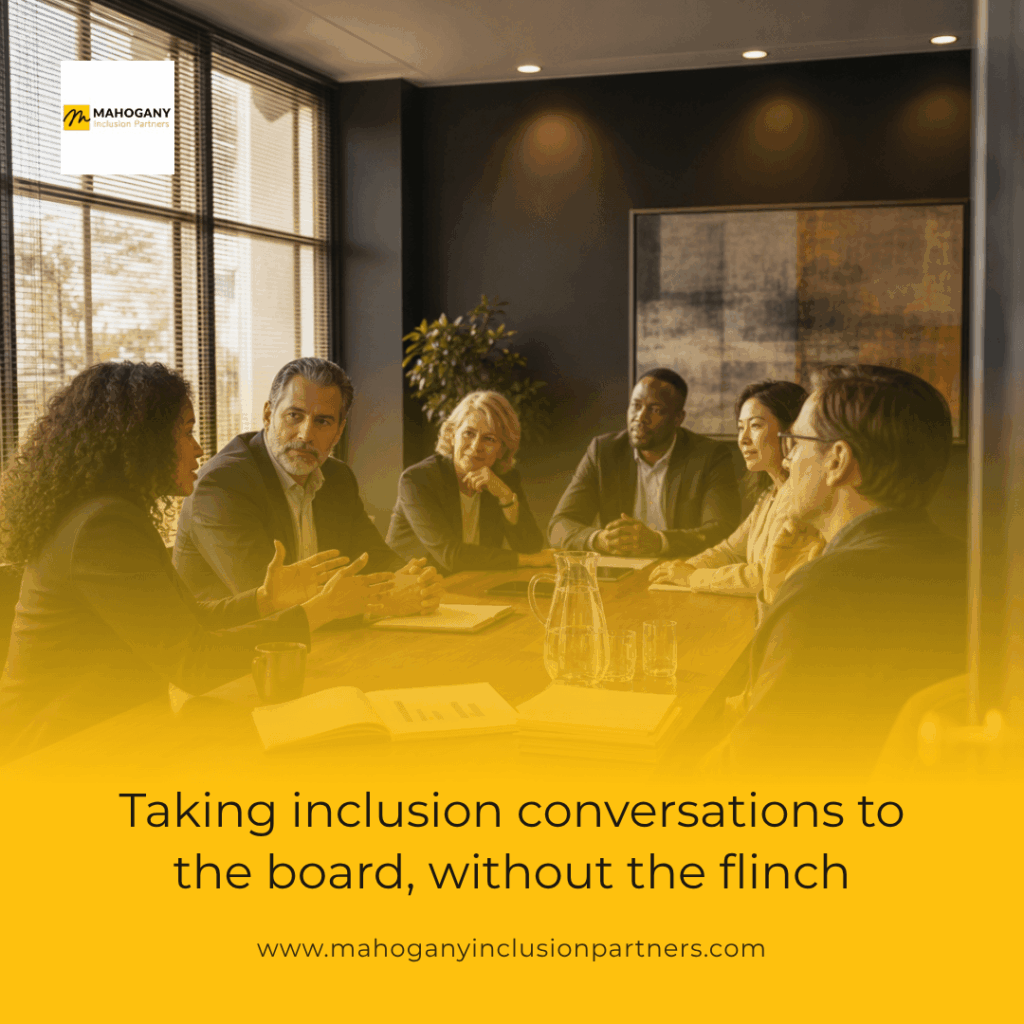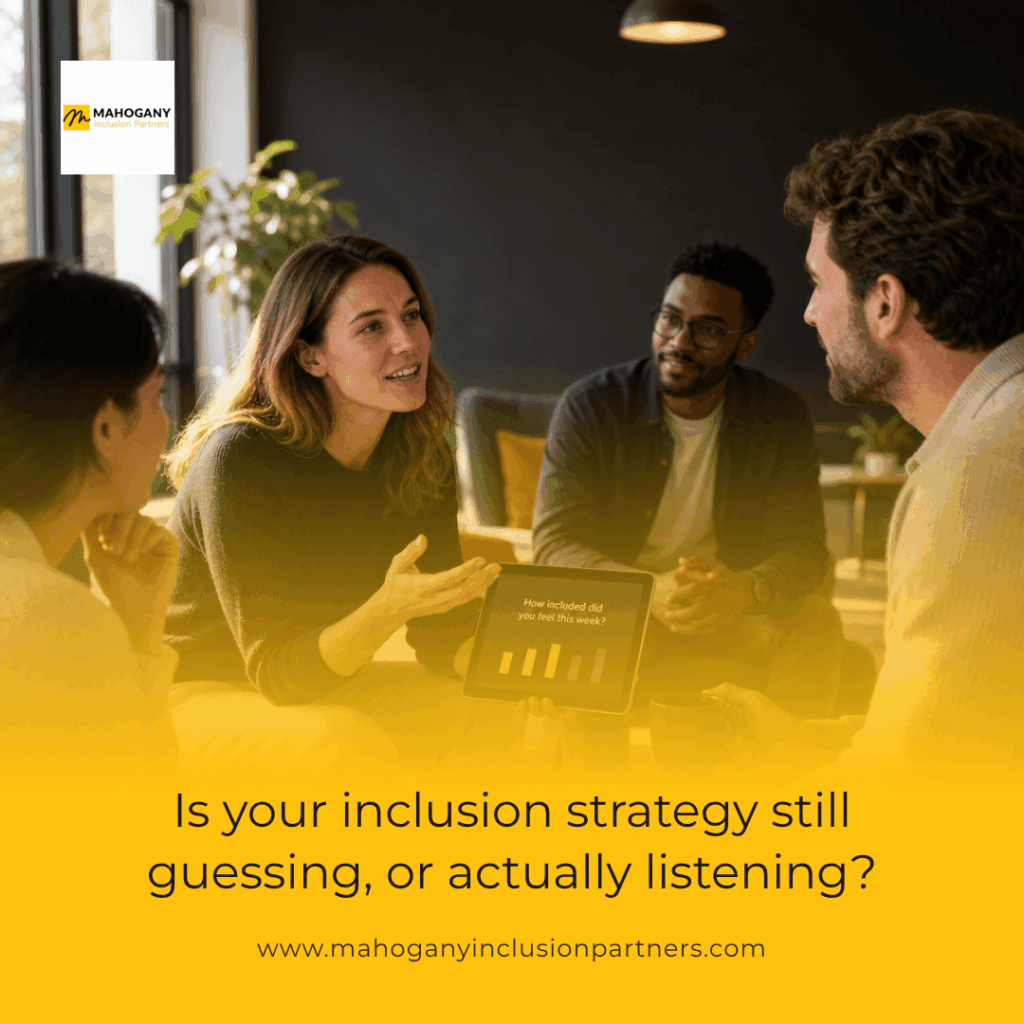
Winter puts a specific, predictable strain on organisational wellbeing: shorter days, holiday isolation for some employees and family overload for others, financial pressure, and a drop in the casual visibility that leaders have into how people are actually coping. Leadership teams prepare for this best by building psychological safety and open dialogue before the pressure hits, not once absence or disengagement figures start climbing.
Why does winter hit workplace wellbeing harder than other seasons?
Winter compresses several stressors into the same few months. Reduced daylight affects mood and energy for a meaningful share of any workforce. The holiday period itself is not universally positive: some employees face isolation, grief anniversaries, or family conflict, while others face the opposite problem of financial strain and unpaid caring load. Layer on end-of-year business pressure, and leadership teams are managing a workforce under more varied and more intense strain than at any other point in the calendar.
The complicating factor for leaders is that these pressures are not evenly distributed and often are not spoken about. An employee managing a difficult family Christmas, another dealing with seasonal financial pressure, and another simply struggling with the dark mornings will each need something different. Treating winter wellbeing as one generic problem with one generic solution (an email about an assistance programme, say) misses the range of what people are actually carrying.
What does an inclusive approach to winter wellbeing actually look like?
An inclusive approach means building strategies that address the full range of employee experience without singling anyone out or forcing disclosure. That starts with the top team itself modelling openness. Leaders who are willing to acknowledge that winter is a harder period, without being asked, give everyone else permission to say the same.
Practically, this looks like:
- Reviewing workload and deadline pressure across December and January specifically, rather than assuming the same pace applies all year
- Checking that support resources (assistance programmes, flexible working, mental health first aiders) are visible and easy to access without a manager conversation being the only route in
- Giving managers clear guidance on how to check in with their teams without prying, so conversations feel supportive rather than intrusive
- Building in flexibility for those managing caring responsibilities or family pressure over the holiday period, applied consistently rather than as informal favours
The common thread is equity: addressing different employee needs without disengaging the wider workforce by appearing to favour one group's circumstances over another's.
How can leaders build psychological safety before winter pressure peaks?
Psychological safety has to exist before people need it, not be announced in response to a crisis. Employees need to trust that raising a struggle (workload, mental health, personal circumstance) will be met with support rather than judgement or career consequence, and that trust is built through repeated, ordinary interactions over months, not through a single seasonal wellbeing initiative.
Top teams build this by creating structured space for honest dialogue at every level of the organisation, not just among senior leaders who already feel comfortable speaking up. That means training managers to hold space for difficult conversations, modelling vulnerability from the top down, and being consistent: if a leader talks about mental health in October and then treats a January absence as a performance issue, the credibility of everything said in between disappears.
Why do leaders without personal experience of a pressure still need to lead on it?
A leader who has never struggled with seasonal isolation, financial strain, or caring overload can still lead credibly on winter wellbeing, but it takes deliberate work rather than instinct. Credibility here comes from listening properly, from building strategies grounded in what employees actually report rather than what leadership assumes, and from being transparent about learning rather than performing expertise.
This is one of the most common blocks we see in top teams: a genuine fear of getting it wrong stops leaders from engaging at all, which is worse for employees than an imperfect but sincere effort. Leadership credibility on inclusion and wellbeing is built through consistent action and honest curiosity, not through having lived every experience personally.
How should leadership teams measure whether their winter wellbeing approach is working?
Winter wellbeing efforts need the same rigour as any other business objective: clear metrics, tracked consistently. Absence data, engagement survey results, exit interview themes, and usage rates of support resources all give leadership teams a data-driven view of whether their approach is landing, rather than relying on anecdote or assumption.
Tracking this data through winter and comparing it against the rest of the year helps top teams see whether their preparation actually reduced strain, or whether it simply looked good on paper. Organisations that build measurable objectives into their inclusion and wellbeing strategy are far better placed to adjust course mid-season rather than discovering the problem in a January appraisal cycle.
Common questions about winter wellbeing for leadership teams
When should we start preparing for winter wellbeing pressures?
Ideally before autumn ends, well before December. Psychological safety and manager confidence take time to build, so a strategy launched in December is starting from a position of catch-up. Reviewing workload planning and support resources in September or October gives the organisation a real head start.
How do we support employees without singling out who needs help?
Build support that is universally accessible rather than targeted at individuals. Flexible working policies, visible assistance programmes, and manager training that applies to every team member mean people can access help without having to identify themselves as struggling first.
What is the biggest mistake leadership teams make with winter wellbeing?
Treating it as a communications exercise rather than a cultural one. Sending a supportive email is not the same as having managers who are actually equipped and trusted to hold honest conversations. The strategy needs to live in day-to-day management practice, not just in a single seasonal message.
Can psychological safety really be built in just a few months?
Meaningful groundwork can be laid in a few months if leadership is consistent and visible about it, though genuine psychological safety deepens over a longer period. Starting now, ahead of winter 2026, gives a leadership team enough runway to make a real difference before the hardest months arrive.
Getting your leadership team ready before winter arrives
Winter wellbeing pressure is predictable, which means it is preparable. The organisations that handle it well are the ones whose top teams have already done the groundwork on psychological safety, equitable support, and honest dialogue, rather than scrambling for a response once absence figures start to move.
We work with C-Suite leaders and top teams across sectors, from private banks to major retailers, to build exactly this kind of preparedness through leadership facilitation, tailored culture strategy, and inclusion coaching grounded in measurable outcomes. If your leadership team wants a clear, data-driven plan for winter wellbeing before the pressure peaks, visit Mahogany Inclusion Partners to talk through what tailored support could look like for your organisation.
Contact us at https://www.mahoganyinclusionpartners.com to start preparing your leadership team now, while there's still runway before winter takes hold.