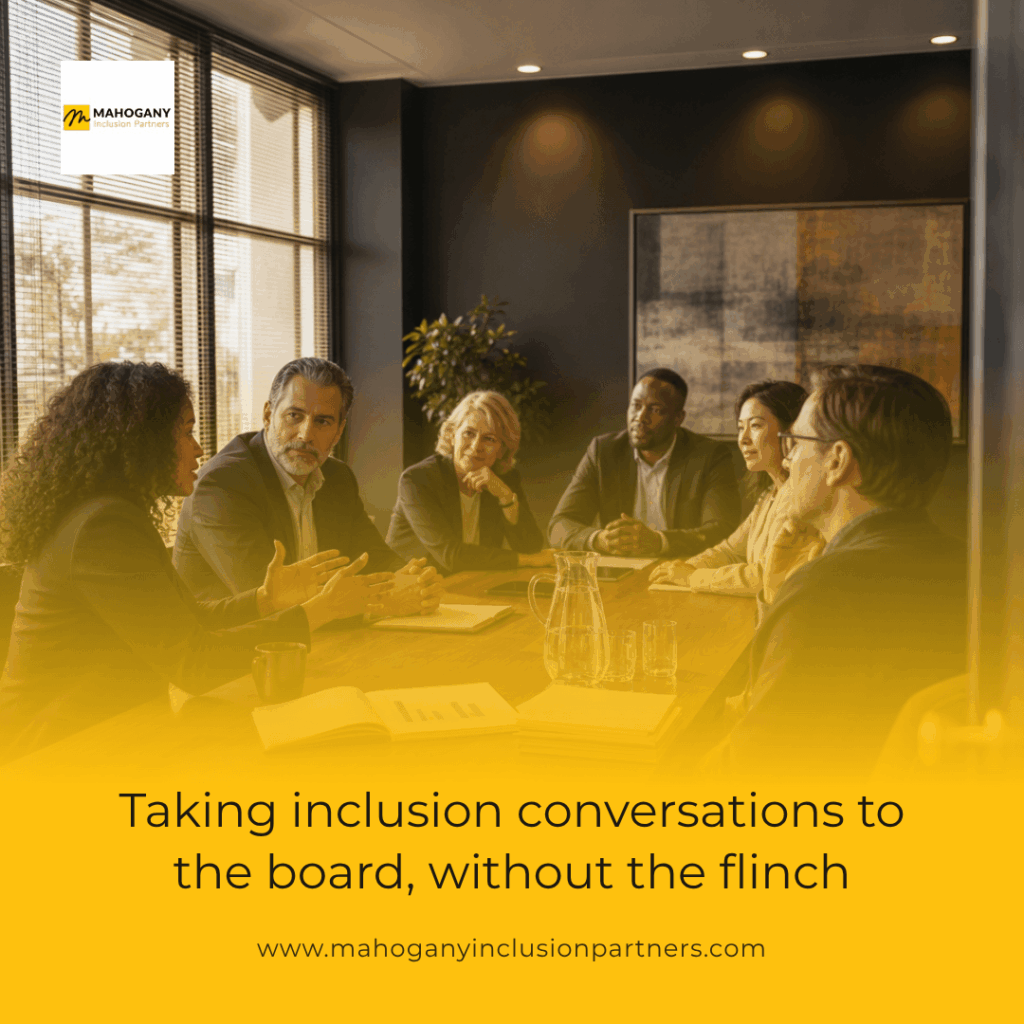
Most C-Suite leaders we speak with genuinely want to build inclusive cultures. The intention is there. The commitment is real. And yet, something keeps getting in the way, and it's often the same thing: a quiet, persistent worry about whether they have the credibility to lead these efforts authentically, particularly when their own lived experience doesn't include being underrepresented.
That worry is worth taking seriously. Not because it should stop you, but because it's actually pointing you toward the most important work you can do as a leader.
Why Credibility Gaps Happen (And Why They're So Common)
Here's something we've observed across dozens of organisations, from leading UK private banks to major retailers to global brands: the leaders who struggle most with authentic credibility in diversity efforts are often the ones who care the most. They're worried about saying the wrong thing. They're concerned about being seen as performative. They hesitate, over-correct, or sometimes avoid the conversation altogether because the stakes feel high.
The result? A credibility gap that isn't rooted in malice or indifference. It's rooted in uncertainty.
And that uncertainty, left unaddressed, has real consequences. Employees can sense when senior leadership is uncomfortable with inclusion conversations. That discomfort, however well-intentioned, creates the opposite of psychological safety. It signals that these topics are risky, that honesty might not be welcome, and that the culture isn't truly open to the kind of dialogue that drives innovation and high performance.
What Authentic Credibility Actually Looks Like
Authentic credibility in this space is not about having lived experience of every form of underrepresentation. It's about demonstrating consistent, informed, and courageous leadership regardless of your personal background.
That means a few things in practice.
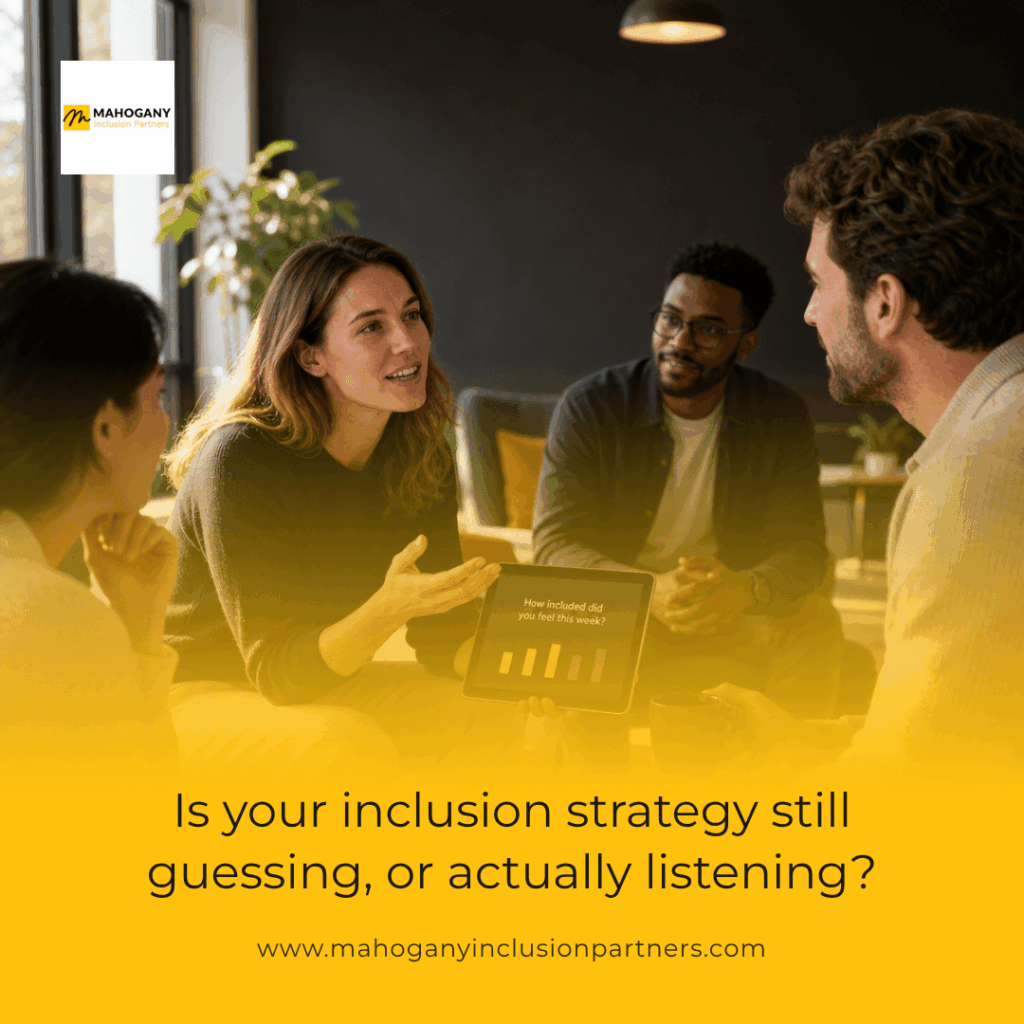
It starts with genuine curiosity, not performance. Leaders who build real credibility ask questions more than they make declarations. They seek to understand the experiences of their people, not to appear progressive in a town hall, but because they recognise that those experiences contain insight critical to organisational performance. When your people see you listening with intent, your credibility grows.
It requires accountability with specificity. Vague commitments to "do better on diversity" don't build trust. They erode it. Credibility comes from setting concrete, measurable goals and being willing to report on progress honestly, including when the numbers aren't moving in the right direction. A robust framework of metrics and analytics isn't just a management tool; it's a signal to your entire organisation that you're serious.
It demands consistency outside the spotlight. Authentic credibility is built in the moments that aren't on the agenda: the offhand comment that goes unchallenged (or doesn't), the promotion decision, the meeting where certain voices are consistently invited to speak and others aren't. Your people are watching all of it, not just the formal inclusion initiatives.
The Role of Coaching and Knowledge in Closing the Gap
One of the most common misconceptions we encounter is the belief that leaders either "have" inclusion credibility or they don't. As if it's a fixed trait rather than a developed capability.
It isn't fixed. It's built.
Personalised coaching, the right frameworks, and access to expert knowledge are what allow leaders to develop the confidence to lead inclusively, even when the conversation is difficult, even when they're uncertain, and even when they're learning in real time. We've seen leaders go from deeply hesitant to genuinely authoritative in this space, not because something changed about who they are, but because they invested in developing the skills and understanding to lead well.
The British Red Cross, UNICEF, Lloyd's Register, and many others we've worked with have seen this shift firsthand. As one Culture and Inclusion Director at Lloyd's Register reflected after working with us: "You achieved in an hour what I've been trying to achieve for two years." That kind of acceleration is possible when leaders get the right support.
Balancing Inclusion Without Losing the Wider Workforce
Another challenge that sits beneath the credibility question is this: how do you lead inclusive culture efforts without sections of your workforce feeling excluded from the conversation or, worse, feeling that inclusion is happening at them rather than with them?
This is where tailored strategy matters enormously. Inclusion done well isn't a zero-sum exercise. It's not about prioritising one group at the expense of another. It's about creating conditions where every person in your organisation can contribute fully, be heard, and perform at their best.
The organisations that get this right share one thing in common: their inclusive culture strategy is built with the whole organisation in mind, not bolted on as a standalone programme. It's woven into how performance is measured, how leaders are developed, how decisions are made, and how success is defined.
When employees across all levels see that inclusion is genuinely structural rather than seasonal or reactive, the credibility of leadership in this space increases significantly.
Building Psychological Safety Alongside Credibility
Credibility and psychological safety are deeply connected. When your people trust that you mean what you say about inclusion, they're more likely to speak honestly, raise concerns early, and contribute ideas they might otherwise have kept to themselves. That openness is where innovation lives.
Creating psychological safety requires more than good intentions. It requires specific skills: knowing how to frame conversations, how to respond when someone shares a difficult experience, how to model vulnerability without undermining authority, and how to create the conditions where all voices are genuinely valued rather than just tolerated.
These are learnable skills. And when senior leaders visibly work on them, it sends a powerful signal throughout the organisation.
Taking the Next Step With Confidence
If you're leading an organisation and the authenticity of your diversity efforts is something you think about, that reflection is already a strength. The leaders who don't think about it are the ones whose credibility is most at risk.
What turns that reflection into real progress is the right partnership, one that brings expert guidance, tailored strategy, honest assessment, and practical tools that fit your organisation's specific culture and goals.
We work with C-Suite leaders and boards across the UK to build exactly that kind of credibility, grounded in evidence, shaped by your context, and designed to create measurable outcomes your organisation can be proud of.
If you're ready to lead your inclusion efforts with confidence and build a culture where every individual can genuinely thrive, we'd love to talk. Visit Mahogany Inclusion Partners to find out how we can support you.