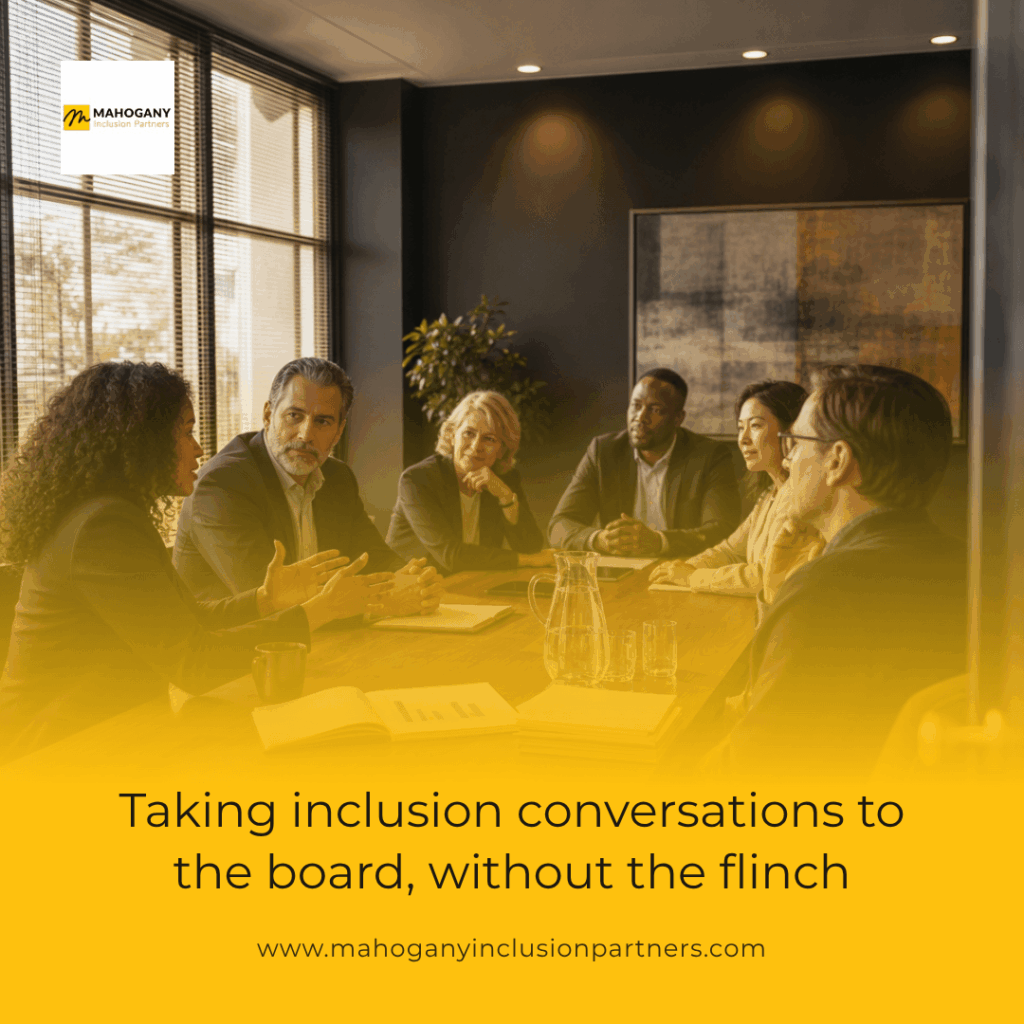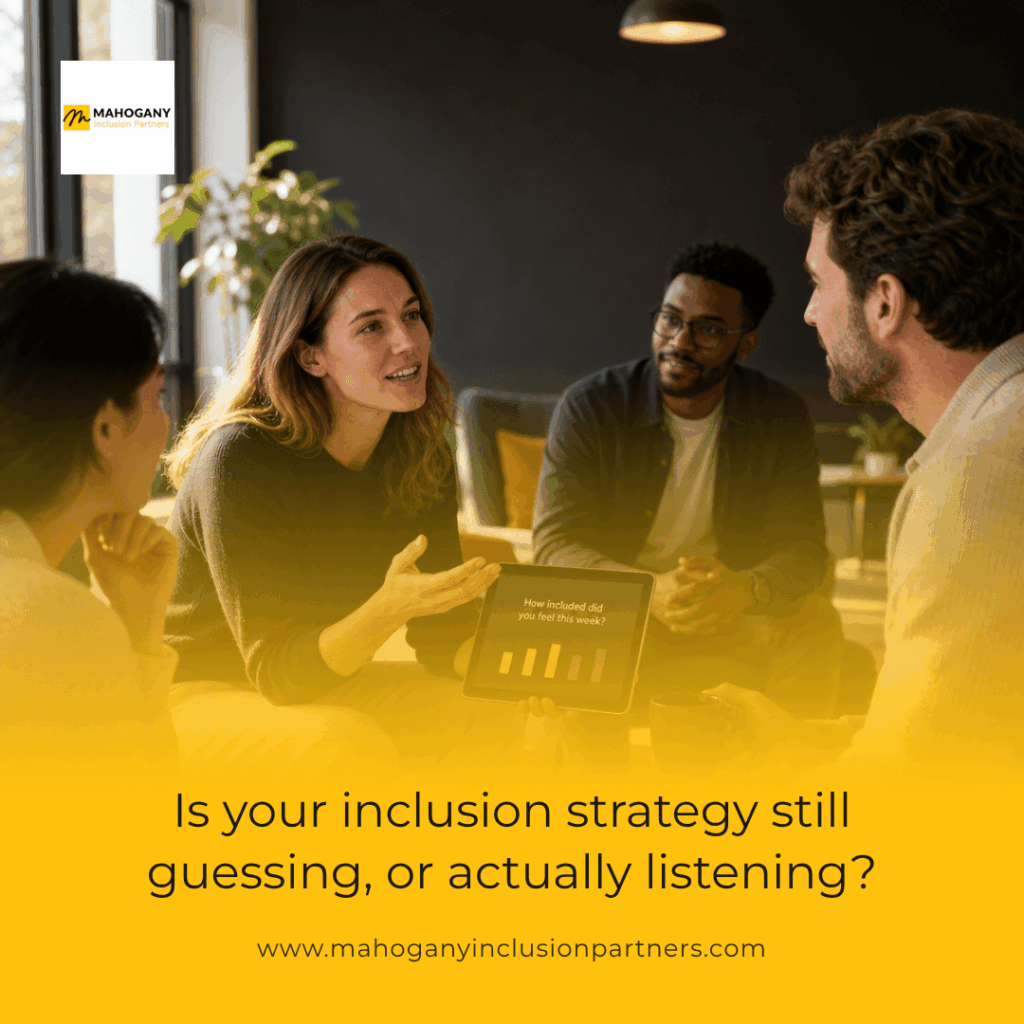
There's a tension that sits quietly in most leadership meetings, rarely named but consistently felt. You're committed to building a truly inclusive culture. You want every employee to feel seen, supported, and valued. But somewhere between the strategy deck and the day-to-day reality, a troubling question surfaces: if we focus too much on one group's needs, do we risk making others feel overlooked?
It's one of the most common challenges we hear from C-Suite leaders across industries, and it's completely valid. Getting this balance right isn't just a matter of good intentions. It requires deliberate design, clear communication, and a framework that genuinely works for everyone.
Why "Balancing" Is the Wrong Word
Before anything else, it's worth reframing the challenge. "Balancing" diverse employee needs implies a set of scales where meeting one group's needs automatically reduces what's available to another. That scarcity mindset is precisely what leads organisations to create inclusion programmes that feel divisive rather than cohesive.
The better framing is equitable inclusion, which means designing strategies where every employee, regardless of their background, identity, or circumstance, has what they need to perform at their best. That's not about sameness. It's about ensuring the workplace works for everyone, not just the majority.
When leaders approach inclusion through this lens, something shifts. The question stops being "whose needs do we prioritise?" and starts being "what does our workforce actually need to thrive collectively?"
Start With Listening, Not Assumptions
One of the most consistent mistakes organisations make is designing inclusion strategies based on assumptions rather than evidence. Leadership teams often assume they know what their people need, when in reality, the lived experience of employees across different levels, functions, and identities can look remarkably different from what's visible at the top.
Robust organisational audits and assessments are foundational here. Before launching any initiative, you need a clear picture of where inclusion gaps exist, which employee groups are thriving and which are struggling, and what the overall cultural health of your organisation looks like. Without that baseline, even well-resourced programmes can miss the mark entirely.
Listening mechanisms matter too. Pulse surveys, focus groups, and open-door channels aren't just good HR practice; they're the intelligence-gathering tools that let you make informed decisions rather than educated guesses. When employees see that their input shapes strategy, engagement increases across the board, not just among the groups you were originally trying to support.
Speak to Shared Values, Not Just Specific Groups
A common reason inclusion efforts create unintended tension is the way they're communicated. When messaging focuses exclusively on specific demographic groups without connecting back to a broader organisational purpose, it can inadvertently signal to others that inclusion isn't "for them."
The most effective inclusive culture strategies we develop are anchored in shared organisational values. Phrases like "we want every person in this organisation to have the environment they need to do their best work" land very differently from communications that feel targeted at specific groups in isolation.
This isn't about diluting focus where it's genuinely needed. Some employees face barriers that others don't, and addressing those specific barriers is necessary and right. But the narrative around why the organisation is doing this work should always connect back to collective performance, belonging, and shared success.
Build Leaders Who Can Hold the Complexity
Here's something leaders often don't say out loud: it's genuinely difficult to champion inclusion when you haven't personally experienced underrepresentation. There's a very real fear of getting it wrong, saying the wrong thing, or being perceived as inauthentic. That fear often leads to either overcorrection or avoidance, and neither serves the workforce well.
This is where personalised leadership coaching and structured facilitation make a measurable difference. With the right tools, frameworks, and knowledge, leaders can engage credibly and confidently with inclusion, regardless of their own background. Credibility doesn't come from lived experience alone. It comes from demonstrated commitment, consistent behaviour, and the willingness to listen and learn.
When your top team leads inclusion authentically, it sends a powerful message to the entire organisation. People can see the difference between performance and genuine belief.
Create Psychological Safety Across the Whole Organisation
Psychological safety is the invisible infrastructure of a high-performing inclusive culture. It's what makes open dialogue possible, what enables people to raise concerns without fear, and what allows innovation to happen rather than just being talked about.
Getting psychological safety right is particularly relevant when balancing diverse needs. In environments where some employees don't feel safe to speak, their needs remain invisible. In environments where employees fear that raising inclusion topics will create conflict, nothing gets resolved. Both scenarios damage performance and retention.
Creating that safety requires consistent leadership behaviour, clear communication about what's acceptable, and often, structured education programmes that give all employees a common language and framework. When people know how to engage with difficult conversations productively, those conversations stop being something to avoid and become a genuine source of organisational strength.
Measure What Matters
Inclusion work without measurement is just aspiration. One of the most practical steps any organisation can take is establishing concrete metrics around inclusive culture goals. That means tracking not just representation data, but engagement scores by demographic, progression rates across groups, psychological safety indices, and the outcomes of specific initiatives over time.
When you can demonstrate progress with data, two things happen. First, your strategy becomes more precise; you can see what's working and redirect resource where it's needed most. Second, your employees see that this is a sustained organisational commitment, not a short-term initiative that will quietly disappear.
A recent cross-industry survey of over 100 UK organisations found that the journey towards inclusion remains genuinely challenging for most. The organisations that make meaningful, sustained progress are those that pair good intentions with robust measurement frameworks and the willingness to adjust their approach based on what the data tells them.
Moving From Good Intentions to Real Impact
Most leaders we work with care deeply about getting inclusion right. The challenge isn't motivation; it's having the right strategy, tools, and support to execute in a way that genuinely works for the whole workforce.
Balancing diverse employee needs isn't about compromise or division. It's about building an environment where inclusion is structural, not superficial, where every individual has equitable access to what they need to succeed, and where the collective result is a higher-performing, more innovative organisation.
If you're ready to move from intention to impact, we'd love to help you build the kind of inclusive culture your people and your organisation deserve. Explore how our tailored strategies and expert support can make that a reality at Mahogany Inclusion Partners.