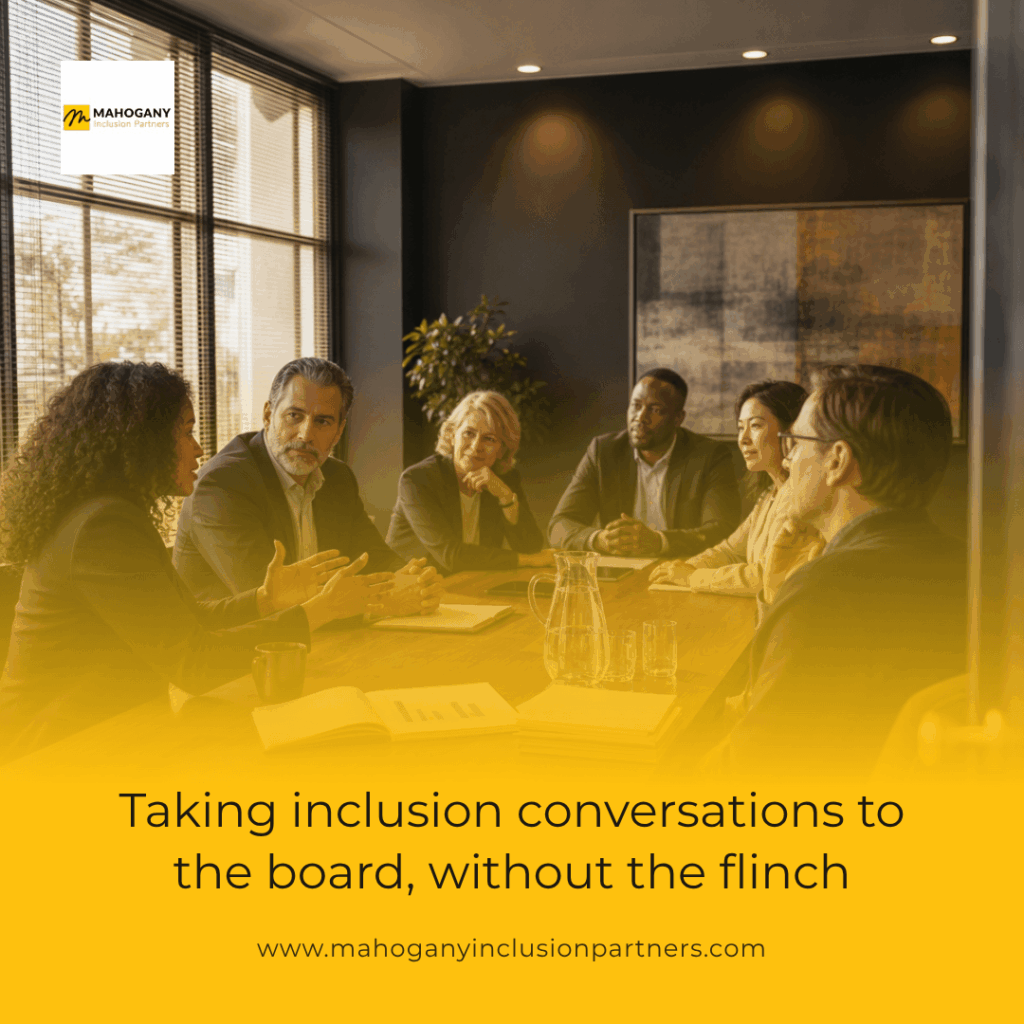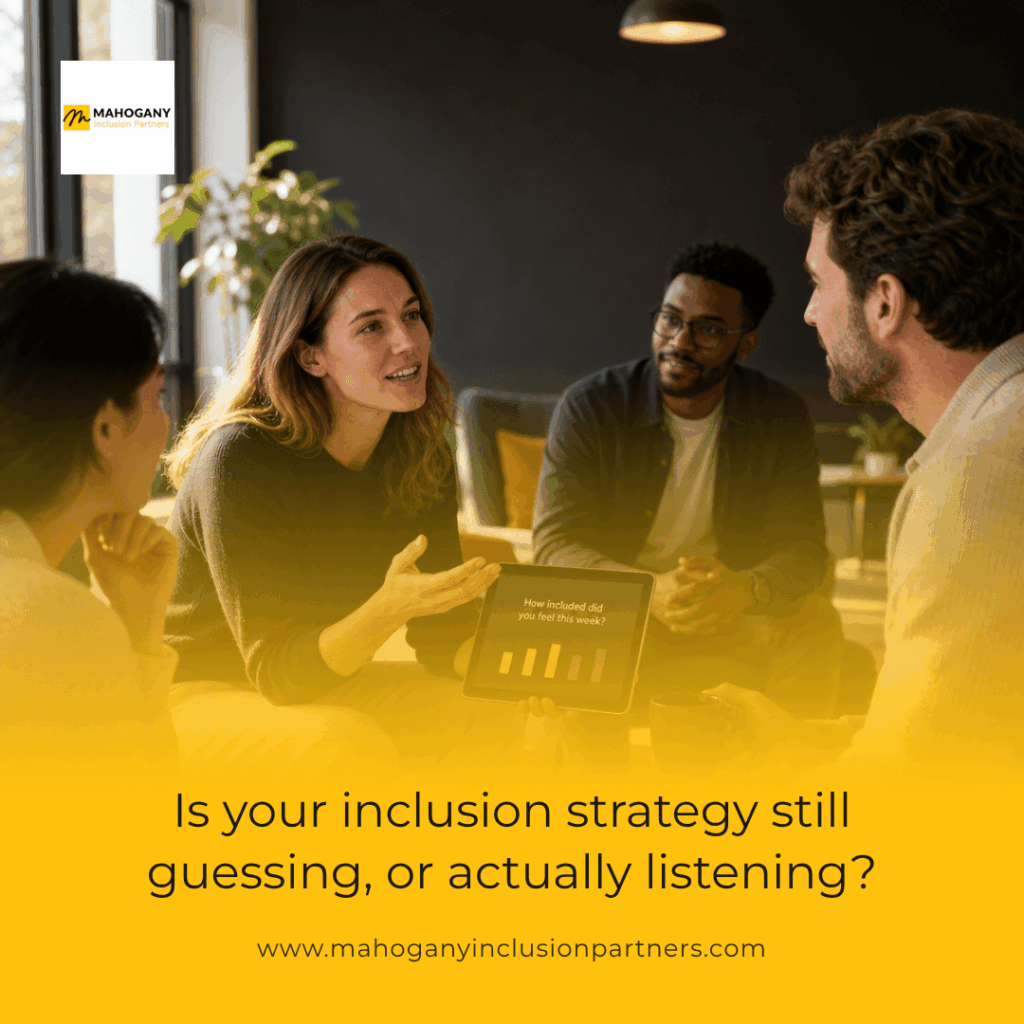
Most leadership teams we speak with genuinely want honest, open feedback cultures. They say the right things in town halls, they include it in values statements, and they mean every word. Yet when they look around at what's actually happening day-to-day, the feedback flowing upward is thin, carefully worded, and almost always positive. The feedback going downward can feel like a one-way announcement. And peer-to-peer feedback? Often non-existent unless something has already gone wrong.
This gap between intention and reality is one of the most common cultural challenges we work on with C-Suite leaders and senior teams across the UK. The good news is that it is absolutely solvable. But it requires more than a new policy or an anonymous survey. It requires deliberate, sustained cultural work at every level of your organisation.
Why Feedback Cultures Break Down
Before fixing the problem, it helps to understand why it exists in the first place.
Psychological safety is the foundation of honest feedback, and most organisations have less of it than they think. When people fear judgment, embarrassment, or career consequences for speaking up, they simply don't. They smile, they nod, they wait until the meeting is over and share their real views in the corridor or the group chat.
This is not a personal failing of your people. It is a rational response to the environment they are operating in. If speaking up has historically been met with defensiveness, dismissal, or subtle consequences, your teams will have learned to stay quiet. That learning is remarkably durable, even when leadership genuinely changes.
There is also the matter of power dynamics. The more hierarchical an organisation's culture, the harder it is for feedback to travel upward. Junior employees observe how their more senior colleagues interact with the leadership team and calibrate their own behaviour accordingly. If they see that only certain voices are heard and valued, they draw the obvious conclusion about whether their voice belongs in that space.
What Leaders Can Actually Do Differently
Creating a culture where feedback flows freely is not about installing a new tool or running a workshop, though both can play a role. It starts with how leaders at the very top behave day-to-day.
Model receptiveness visibly and consistently. When someone challenges an idea in a meeting, how do you respond? Your immediate, instinctive reaction sends a powerful signal to everyone in the room. Leaders who visibly welcome challenge, say "that's a fair point, I hadn't considered that angle" and then actually change course based on the input, create permission for others to do the same. Leaders who become defensive, however subtly, teach their teams to hold back.
Separate feedback from performance evaluation in the moment. One reason people are reluctant to give honest feedback is that they are unsure how it will be received and whether it will affect their standing. Creating structured moments for feedback that are explicitly decoupled from appraisal cycles helps people speak more candidly. This might be team retrospectives, skip-level conversations, or facilitated sessions with an external partner.
Ask specific questions rather than open invitations. "Any feedback?" rarely generates useful responses. "What is one thing we could have done differently in that project?" or "What is the biggest obstacle your team is facing right now that I might not be aware of?" invites specificity and signals that you are genuinely looking for something substantive rather than reassurance.
Building the Infrastructure for Honest Dialogue
Individual leader behaviours matter enormously, but they need to be supported by structures that make feedback a normal, expected part of how your organisation operates.
Regular listening touchpoints across levels. This means going beyond the annual engagement survey. Consistent, lightweight mechanisms for gathering input (team check-ins, pulse surveys, facilitated forums) keep feedback as an ongoing conversation rather than a once-a-year event. Crucially, these only work if people see their input being taken seriously and acted upon.
Training managers to receive and respond to feedback well. Middle management is where feedback cultures most often stall. Your senior leaders may be role-modelling openness brilliantly, but if team managers shut down challenge or fail to pass feedback upward, the culture never fully connects. Investing in manager capability here is not optional, it is essential.
Accountability and transparency on what changes. Nothing erodes a feedback culture faster than the sense that input disappears into a void. When your organisation gathers feedback and then acts on it, communicating what changed and why closes the loop and builds trust that speaking up is worth the effort.
The Inclusion Dimension That Leaders Often Miss
A feedback culture cannot be separated from an inclusive culture. The two are deeply intertwined.
Research consistently shows that employees from underrepresented groups are less likely to share critical feedback, not because they have less to say but because the perceived risks are higher and the historical evidence of being heard is often lower. This means that even in organisations with good intentions, the feedback reaching leadership is frequently skewed toward the perspectives of those who already feel most comfortable speaking up.
If you want feedback that genuinely reflects the full range of experience across your organisation, you need to actively create conditions where everyone feels equally safe and equally valued. That means examining whose voices are heard in meetings, who gets invited to share perspectives, and whether your listening mechanisms are designed in ways that make participation easy and safe for all employees.
This is precisely why we approach feedback culture as part of broader inclusive culture strategy. You cannot sustainably build one without the other.
The Measurable Difference It Makes
Organisations that succeed at building genuine feedback cultures see tangible results. Innovation improves because ideas are surfaced earlier and from a wider range of people. Problems get identified and resolved faster because people flag them instead of hoping someone else will. Employee engagement rises because people feel genuinely listened to and valued. And leadership teams make better decisions because they are working with a more complete, more honest picture of what is actually happening across the organisation.
These are not soft outcomes. They are measurable competitive advantages, and they are available to any organisation willing to do the cultural work required.
If you are ready to build a feedback culture that is robust, inclusive, and genuinely reflective of every voice in your organisation, we would love to talk. Visit Mahogany Inclusion Partners to learn more about how we partner with leadership teams to create high-performing, inclusive workplaces where open dialogue is not the exception but the everyday standard.