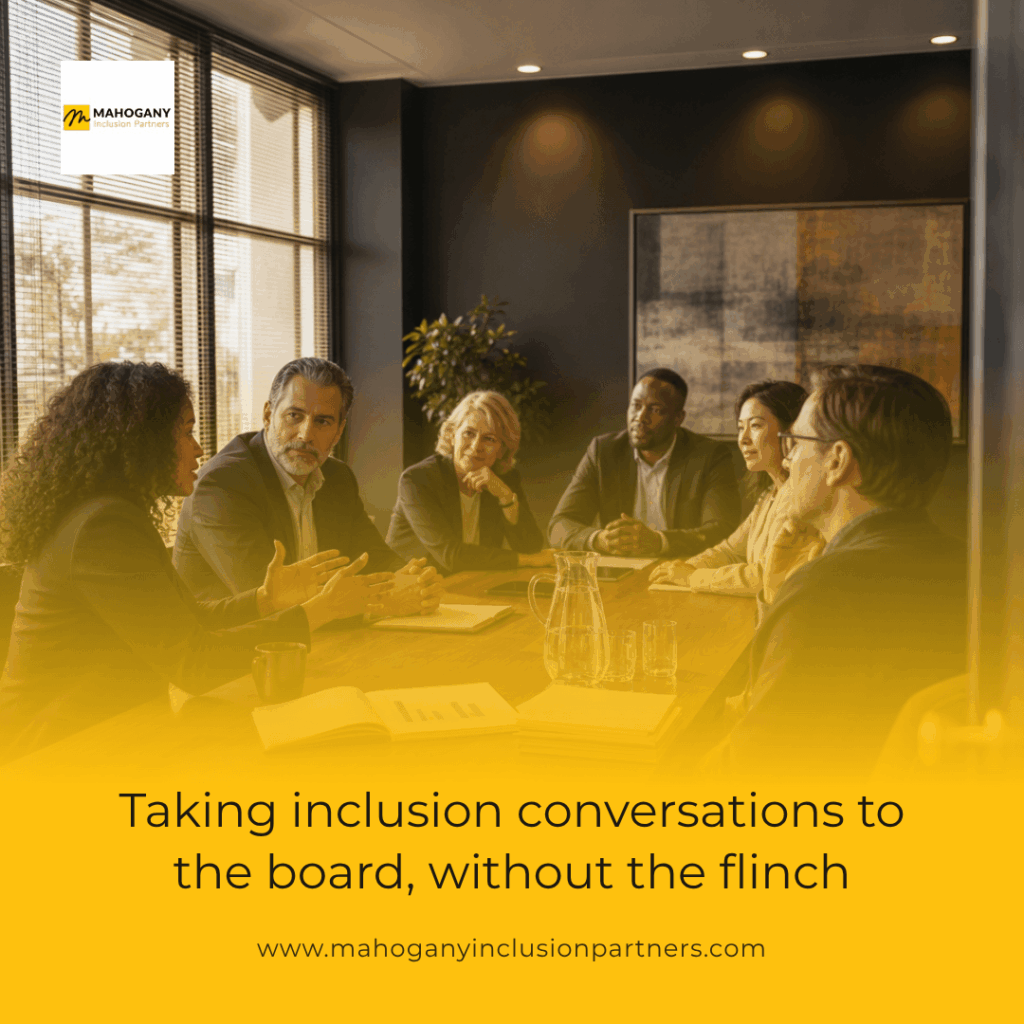
2024 Vision: Will you let inclusive culture die in your organisation?
In the ever-changing world of business, the case for Diversity, Equity, and Inclusion (inclusive culture) grows even stronger. However, if leaders want their inclusive culture initiatives to succeed, they must begin with a clear explanation of why they’re undertaking such an efforts.
Why Does inclusive culture Matter?
The many benefits of inclusive culture are discussed extensively through various research. Lets take a look at some of the main reasons why successful organisations value inclusive culture.
Diverse and inclusive organisations reflect societies more accurately – organisations with diverse workforces are better aligned with the demographics of the area (or areas) where they operate.
Inclusive culture initiatives help an organisation to speak to a broader audience – when your employees come from various backgrounds, they can understand the needs, interests and pain points of diverse audiences, too.
Embracing inclusive culture makes your business more creative and potentially more profitable – employees with different experiences and perspectives can bring fresh ideas and innovative solutions to the table which, in turn, benefit the entire organisation.
Let’s Talk Stats
The latest McKinsey report has shared some interesting findings from their most recent research. Let’s take a look:
- A strong business case for ethnic diversity is found to be consistent over time, with a 39% increased likelihood of outperformance for those in the top quartile of ethnic representation versus the bottom quartile.
- Companies with representation of women exceeding 30% (and thus in the top quartile) are significantly more likely to financially outperform those with 30% or fewer.
- Organisations in the top quartile for both gender and ethnic diversity in executive teams are on average 9% more likely to outperform their peers.
- Companies with greater diversity on their boards of directors are more likely to perform better financially. For the first time, this correlation is statistically significant for both gender and ethnicity!
- Leadership diversity is also convincingly associated with holistic growth ambitions, greater social impact, and more satisfied workforces.
What is your 2024 inclusive culture strategy?
The report also shared five key strategies to effectively turn words into action:
-
- Commit to a systematic, purpose-led approach to benefit all stakeholders.
-
- Embed your strategy in company-wide business initiatives while tailoring it to local context.
-
- Prioritise belonging and inclusive practices to unlock performance.
-
- Embolden and activate champions and allies by providing adequate resources and support.
- Act on feedback, including dissenting voices.
It is at this moment that we ask you to sit, reflect and ask yourself – what is your 2024 inclusive culture strategy? How do you plan to incorporate diversity, equity, and inclusion into your workforce moving forward and create a culture where everyone is celebrated and valued?
How We Can Help
To achieve lasting impact, organisations must move boldly beyond increasing representation to integrating inclusive culture in a purpose-driven approach.
We appreciate that this can be daunting, which is why we’re here to help. With our expertise and deep insight into your organisation, we will develop solutions that deliver your inclusive culture goals in a way that aligns with your business context and priorities.
If you’re looking for education, long-term change or even support on your strategic plans, please contact us today.