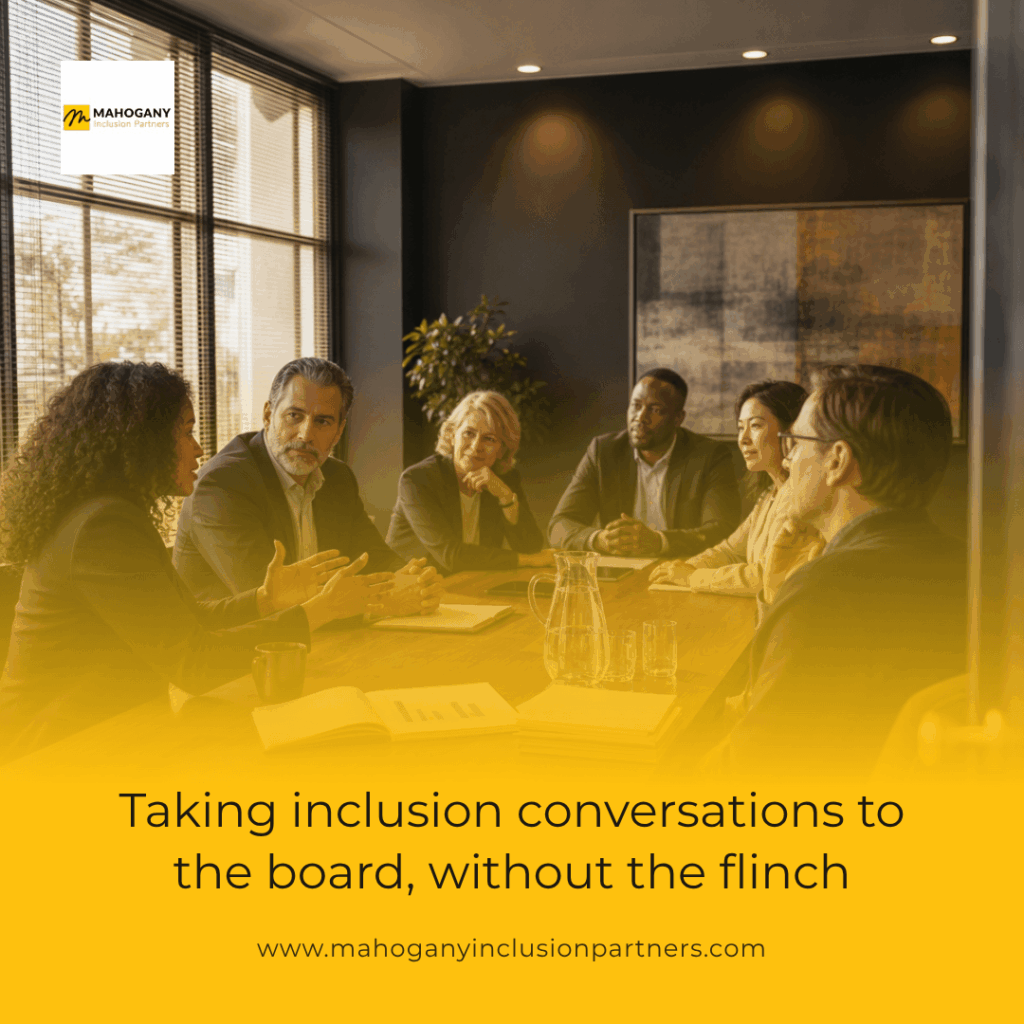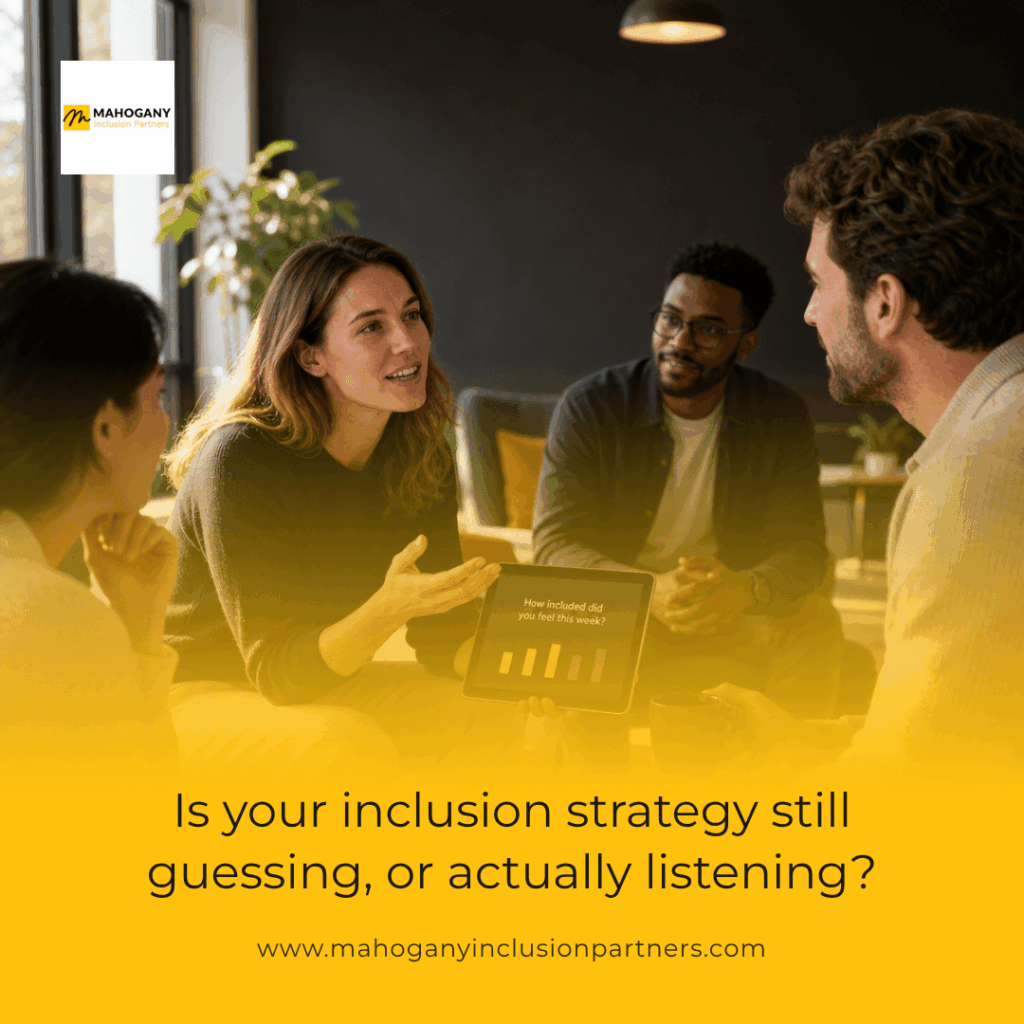
When thinking about diversity, equity, and inclusion (inclusive culture) in the workplace, top leadership often comes to mind. But middle managers play a crucial role in building inclusive team cultures, as they directly interact with employees daily. Despite this influence, middle management is often overlooked in inclusive culture training, which leads to missed opportunities for meaningful change.
Middle Managers: The Bridge to Inclusion
Middle managers connect top leadership with employees. They implement policies, set the tone for team dynamics, and address everyday challenges. Their role is vital in retaining diverse talent and creating a cohesive, inclusive environment. However, without adequate training, managers may struggle to confidently handle inclusive culture-related issues, from addressing unconscious bias to supporting an employee facing discrimination.
Why Middle Managers Need inclusive culture Training
Top leaders may set inclusive culture goals, but middle managers put them into action. Research shows that training middle managers in inclusive culture benefits both team morale and employee retention. Equipped with inclusive culture skills, managers can address microaggressions, support diverse backgrounds, and create a space where everyone feels respected. Inclusive culture training gives them the tools to lead with confidence, positively impacting the team’s experience and engagement.
How to Empower Middle Managers in inclusive culture
To empower middle managers as inclusive culture champions, organisations can:
- Offer Targeted Inclusive Culture Training
Provide training that equips managers to handle everyday inclusive culture challenges, from recognising bias to addressing microaggressions. Practical skills boost their confidence and help them foster a positive, inclusive team culture.
- Encourage Open Dialogue
Establish spaces where managers can discuss inclusive culture challenges, ask questions, and receive support. Open dialogue allows them to learn from one another and reinforces the organisation’s commitment to inclusion.
- Incentivise Inclusive Leadership
Reward managers who prioritise inclusion. Recognising their efforts—through performance appraisals, promotions, or awards—sets a standard, making inclusive culture an everyday priority.
The Benefits of Inclusive Middle Management
Empowered middle managers improve more than team culture—they drive organisational success. Inclusive teams have higher job satisfaction, engagement, and retention. A supportive, inclusive manager can make a profound impact on an employee’s experience, building a strong and cohesive team. By investing in middle management, organisations create a workplace where everyone feels valued and respected.
Empowering middle managers with inclusive culture tools and support is key to a truly inclusive workplace. With the right resources, they can connect leadership and employees, building a culture where everyone can thrive.