Mergers and acquisitions are among the most high-stakes moves any organisation can make. The financial modelling gets scrutinised endlessly, the legal due diligence is thorough, and the operational integration plans run to hundreds of pages. Yet, time and again, M&A deals that looked brilliant on paper fall apart in practice. The reason? Culture.
Research consistently points to cultural misalignment as one of the leading causes of M&A failure, with some estimates suggesting that between 70% and 90% of acquisitions fail to deliver their intended value. For C-Suite leaders and boards navigating a merger or acquisition right now, that statistic is not just uncomfortable; it is a direct challenge to act differently. Building an inclusive culture strategy into your integration plan from the outset is not a "nice to have." It is one of the most commercially sound decisions you can make.
Why Culture Clashes Sink Deals
When two organisations come together, they do not simply merge their balance sheets and product lines. They merge their people, their histories, their norms, their unspoken rules, and their deeply held beliefs about how work gets done and who gets heard.
Without intentional inclusion work, the dominant culture of the acquiring organisation often steamrolls the acquired one. Talented people leave. Resentment builds quietly. Psychological safety collapses. And the innovation and productivity gains that justified the deal in the first place never materialise.
Psychological safety is particularly critical here. When employees feel uncertain about their place in a newly merged organisation, they default to self-protection. They stop raising ideas, flagging risks, or challenging poor decisions. For leadership teams trying to drive performance through a complex integration, that silence is costly.
Inclusion as an Integration Framework
What does it actually look like to use inclusive culture strategy as a foundation for M&A integration? It starts well before the deal closes.
Cultural due diligence should sit alongside financial and legal due diligence. This means conducting structured assessments of both organisations' cultures, understanding where the values align, where they diverge, and where there are genuine fault lines that will require active management. Our Inclusive Culture Audits and Assessments are specifically designed to surface those insights across the full organisational value chain, giving leadership teams a clear picture of what they are working with before integration begins.
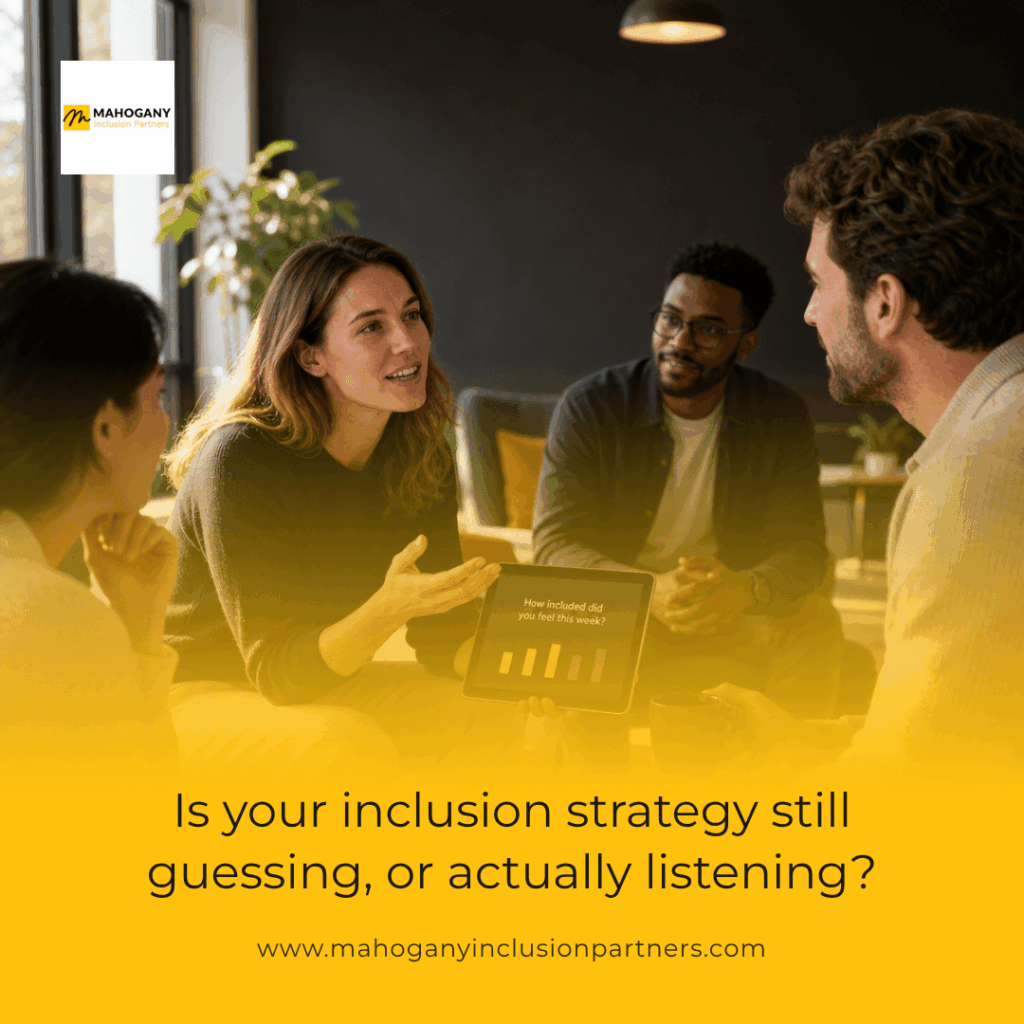
From there, the integration planning process itself needs to be inclusive. That means actively seeking input from employees at all levels of both organisations, not just senior leaders. It means being transparent about what is changing and why. And it means creating genuine forums for concerns to be raised and addressed.
This is not just about making people feel good. Organisations that build psychologically safe environments during transitions retain more talent, experience less disruption, and achieve their performance targets faster.
The Leadership Credibility Challenge
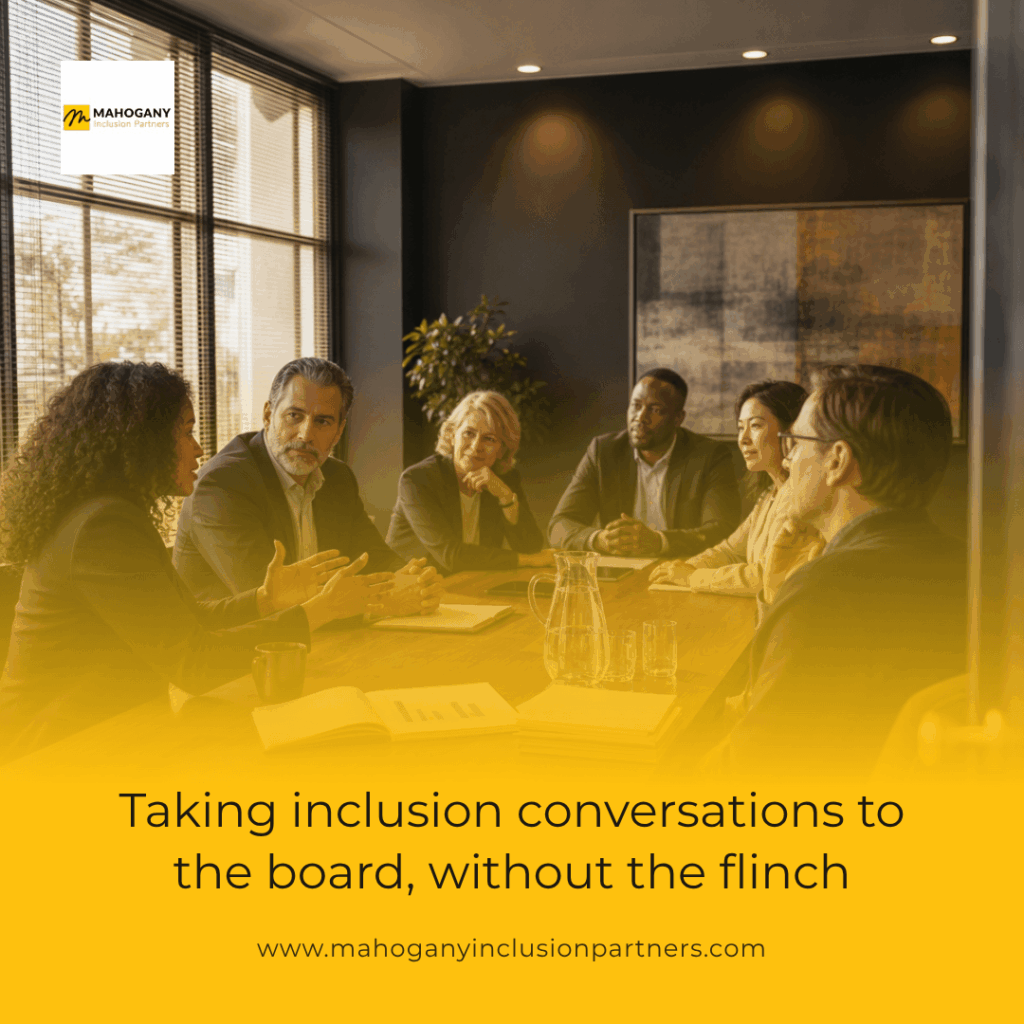
One of the most common pain points we hear from C-Suite leaders navigating M&A is this: how do we lead inclusive integration efforts credibly when our leadership team does not reflect the diversity of the wider workforce?
It is a fair and important question. Employees are perceptive. If inclusion messaging comes from a homogeneous leadership team and feels disconnected from lived experience, it will be dismissed as performative. That scepticism spreads fast, particularly during the heightened scrutiny of a merger.
Authentic leadership in this context does not require leaders to have personal experience of every form of underrepresentation. It does require honesty, humility, and a willingness to listen before acting. It requires leaders to be coached on how to create genuinely inclusive environments rather than simply announcing their commitment to them. Our Inclusion Coaching supports leaders at the top team level to build exactly that kind of credibility, equipping them with the practical tools and self-awareness to lead inclusively even through the most complex organisational change.
Balancing Two Workforces, Two Sets of Needs
A merger immediately doubles the complexity of your people strategy. You now have two workforces with different experiences, different expectations, and potentially very different relationships with inclusion and diversity. Getting this balance right is one of the most nuanced challenges of the entire process.
The risk is falling into one of two traps. The first is prioritising the louder or larger group and inadvertently marginalising the other. The second is trying to apply a one-size-fits-all approach that ends up feeling hollow to everyone.
Tailored, data-driven inclusion strategies are the answer here. By using robust metrics and analytics from the outset, you can set clear, measurable objectives for the integrated organisation, track progress against them honestly, and adjust your approach as the data tells you more. This is the kind of rigorous, evidence-based methodology that turns good intentions into demonstrable outcomes.
Our cross-industry work with organisations including a leading UK private bank, the British Red Cross, and the UK's largest retailer has shown us repeatedly that when inclusion strategy is built around real data and real employee experiences rather than assumptions, the results are significantly stronger.
Building the High-Performing Integrated Culture
The goal of all of this is not simply to avoid failure. It is to build something genuinely better than what either organisation had before. The best M&A integrations create cultures where the combined workforce feels more engaged, more innovative, and more connected to a shared purpose than they did as separate entities.
That is entirely achievable. But it requires inclusive culture strategy to be treated as a core business function within the integration, not an afterthought managed by the HR team in isolation. Boards and C-Suite leaders need to own it, champion it visibly, and hold themselves accountable to the same standards they set for any other strategic priority.
When inclusion for all is genuinely embedded into the integration blueprint, you create the conditions for high performance. Innovation increases because more voices contribute. Retention improves because people feel valued and psychologically safe. And the combined organisation starts to outperform the sum of its parts.
Making Inclusion Your M&A Competitive Advantage
The organisations getting M&A right in 2026 are the ones treating culture as seriously as capital. They are investing in expert support, building inclusive integration strategies from day one, and measuring their cultural progress with the same discipline they apply to financial performance.
If you are preparing for a merger or acquisition, or working through an integration right now, the time to build inclusive culture strategy into your approach is not after the dust settles. It is now.
We work with C-Suite leaders and boards across industries to design and implement tailored inclusive culture strategies that drive measurable performance outcomes. Visit Mahogany Inclusion Partners to find out how we can support your organisation through every stage of your integration journey.