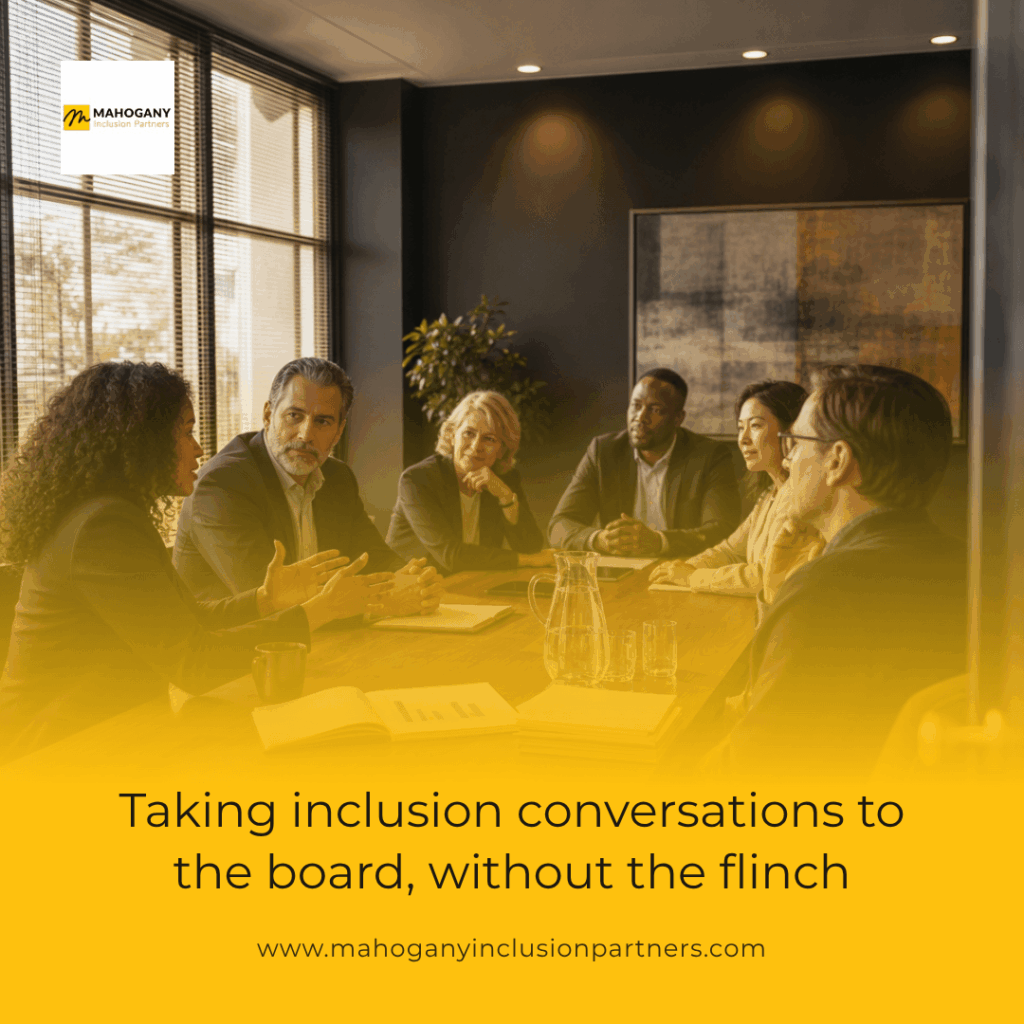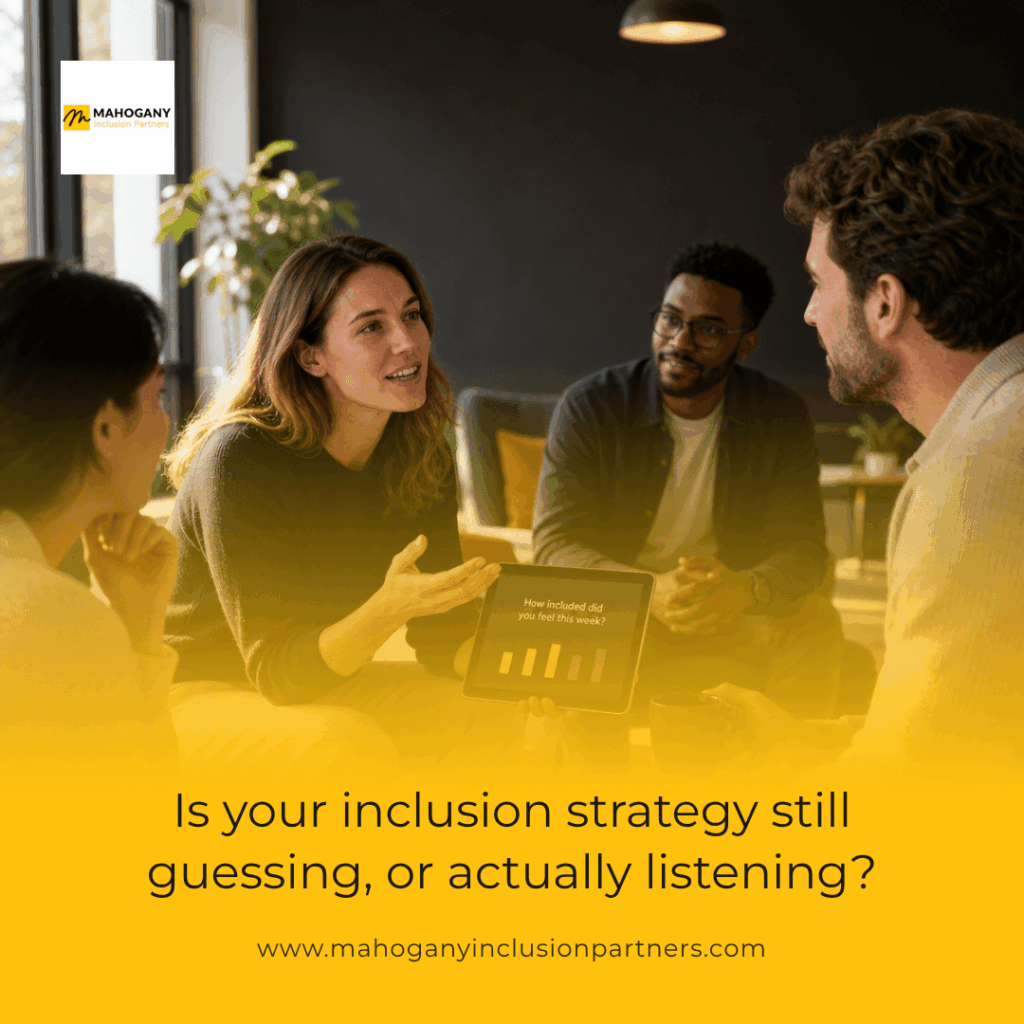
Intergenerational inclusivity refers to the act of bringing people together from different age groups to exchange their knowledge, skills, and experiences.
The aim is to promote better understanding and respect between generations, as this can bring numerous benefits to individuals, organisations, and society as a whole.
The Benefits of an Intergenerational Workforce
There are countless benefits of an intergenerational workforce.
Having a mix of generations working together means more diversity of experiences, knowledge, and viewpoints are shared. These diverse viewpoints often lead to better decision-making and problem-solving within the team.
The variation of knowledge often also causes increased creativity and innovation, as younger employees learn from their older coworkers, and vice versa.
Besides anything else, different generations working together provides a wonderful opportunity for learning and development for everyone involved.
Strategies for Nurturing Collaboration Between Different Age Groups
So, what are the strategies for nurturing collaboration between different generations?
Firstly, it’s really important that we recognise the differences between employees are strengths, not weaknesses. Having your team members share their experiences and perspectives can help them to better understand and learn from one another.
Working as a team to create common goals is a good way to reduce potential conflicts that could arise due to generational differences.
Cross-generational mentorship programmes are an amazing way of encouraging your team to work together and in turn, understand one another. This will likely help to build mutual respect between one another, as well as create a safe space for knowledge to be shared.
EU Case Study
There are lots of EU case studies and examples of the effectiveness of intergenerational workforces.
Siemens is a global technology company that introduced a reverse mentoring programme that pairs younger employees with senior executives.
This programme encourages the sharing of cross-generational knowledge and promotes innovation through the collaboration of fresh perspectives.
The initiative has been successful in improving employee engagement and inclusivity.
Check out this article for more case study examples
Common Challenges
Despite the benefits these strategies can bring, managing a wide range of age groups and ensuring everyone’s needs are met can be difficult.
Some of the common challenges include:
- Varied work styles
- Different values
- Communication styles preferences
- Technological abilities.
Addressing Common Challenges
To overcome these challenges, it’s important to be flexible when managing a multigenerational workforce – from working hours to communication styles.
Get to know your employees’ unique differences, and then use these to everyone’s advantage. Assigning people tasks that align with their working styles is important for achieving productivity and harmony.
Creating knowledge-sharing channels is one of the best strategies you can implement. Mentorship programmes where baby boomers are paired with millennials or Gen Zers promote team bonding, help team members to understand each other and increase employee engagement.
Try to communicate with each of your team members according to their preferences, as this demonstrates that you recognise and value their preferences.
Further Support
Companies that effectively harness the unique strengths, perspectives, and experiences of employees from various age groups will be better positioned for long-term success.
To learn more about intergenerational inclusivity and diversity in the workplace, contact Mahogany Inclusion Partners today.