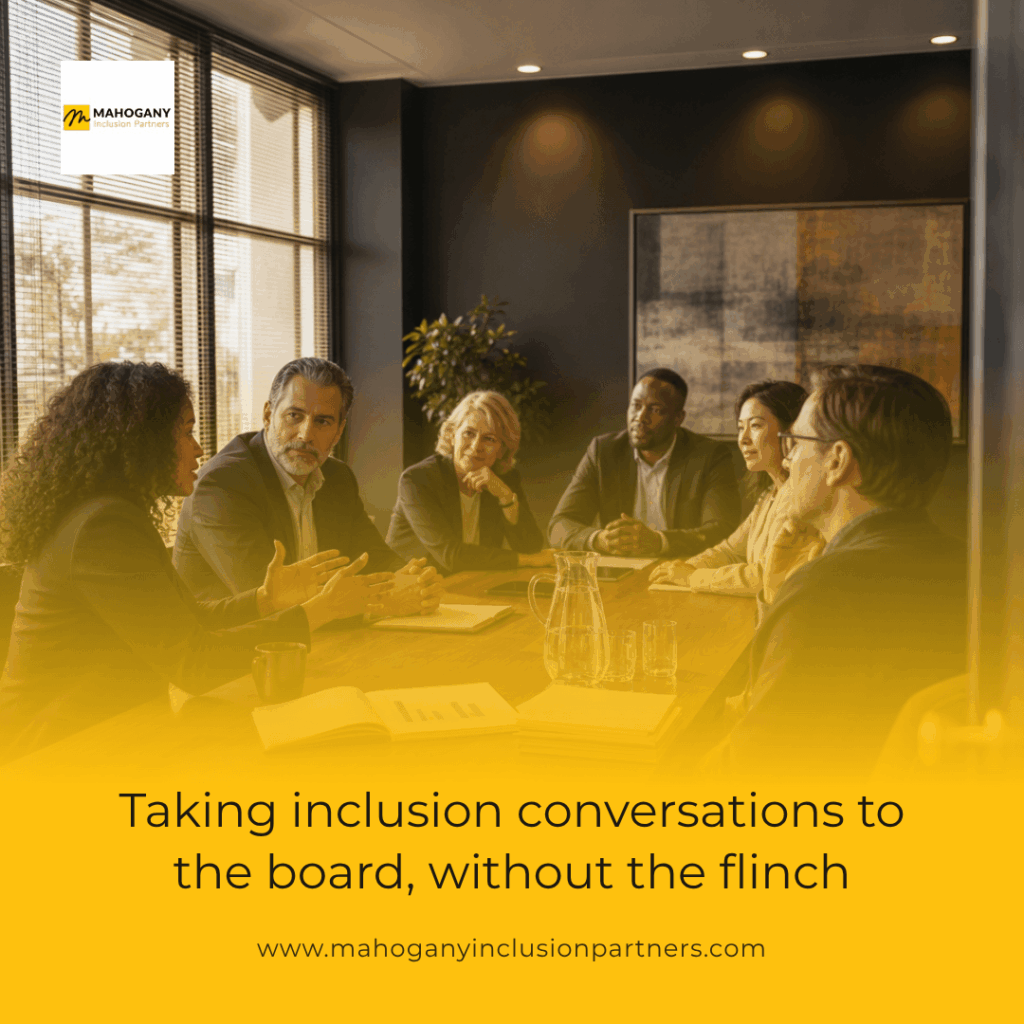
Neo-wokeism is not a widely used term, but it aptly captures the evolution of diversity, equity, and inclusion (inclusive culture) practices in today’s workplaces. Much like in philosophy and the arts, the prefix “neo-” in movements denotes a revival or reinterpretation of previous principles within a contemporary context. The concept of Neo-Wokeism builds on the original “woke” movement, pushing DEI strategies to new heights with fresh perspectives and practical approaches. Here’s how neo-wokeism is reshaping DEI and why it’s more impactful than ever.
The Evolution of inclusive culture language
A recent study by Gravity Research analysed nearly 1,000 documents from Fortune 100 companies. It found a 22% drop in the use of terms like “Inclusive Culture” and “diversity,” with a 59% rise in neutral terms such as “belonging” and “diverse perspectives.” This shift aims to foster unity without triggering backlash against traditional diversity initiatives. The sentiment is the same, but the message is clearer than ever.
Neo-Wokeism: A new approach to social justice
Neo-wokeism redefines the original woke movement by integrating modern social justice issues with practical, inclusive strategies. It’s about more than just acknowledging diversity; it’s about creating environments where everyone feels valued and included.
The impact of Ne0-Wokeism on organisations
Embracing neo-wokeism brings several key benefits:
- Enhanced Employee Wellbeing: Promoting a culture of belonging boosts morale and productivity.
- Inclusive Leadership: Encourages leaders to ensure diverse voices are heard and respected.
- Innovation and Growth: Diverse teams enhance creativity and adaptability, driving business growth.
- Reputation and Brand Loyalty: Authentic inclusive culture efforts attract top talent and loyal customers.
Actionable steps for leaders
To effectively implement the newfound principles of neo-wokeism, leaders should:
- Promote open dialogue: Encourage honest conversations about inclusive culture.
- Invest in training: Offer workshops on cultural competency and inclusive leadership.
- Develop inclusive policies: Update policies to promote diversity and inclusion.
- Measure progress: Track inclusive culture metrics and report transparently.
- Celebrate diversity: Recognise and celebrate diverse contributions through events and storytelling.
Conclusion
Neo-wokeism is revolutionising inclusive culture, making it more relevant and impactful in today’s workplaces. By adopting these inclusive strategies, organisations can create environments where everyone feels a sense of belonging and empowerment. Embracing neo-wokeism is not just about keeping up with trends; it’s about making a real difference in building equitable and thriving workplaces.
To learn more about inclusivity and diversity in the workplace, contact Mahogany Inclusion Partners today.