As we step into 2025, the landscape of Diversity, Equality, and Inclusion (inclusive culture) continues to evolve. At Mahogany Inclusion Partners, we’ve observed key shifts shaping workplaces across industries, and these trends offer opportunities for leaders to embed inclusion more deeply into their organisations.
These are the insights we believe will define the coming year and help leaders navigate the challenges and opportunities of EDI in a meaningful way.
1. E-learning: inclusion at scale
E-learning has become a cornerstone of EDI strategies, enabling organisations to provide accessible, consistent training to teams across locations. Well-designed programmes can deliver impactful learning experiences that are scalable and aligned with company values.
For example, when e-learning on anti-racism and conscious inclusion is integrated into induction programmes, it sets the tone for an inclusive culture from day one. By embedding these practices into onboarding, organisations ensure inclusive culture becomes a core part of how teams operate.
2. Prioritising psychological safety
Psychological safety—the ability to express ideas, concerns, and mistakes without fear—remains crucial for fostering inclusive workplaces. According to a recent CIPD study, teams with higher psychological safety are more innovative and effective, making this a key focus for the year ahead.
Leaders must actively create environments where team members feel secure to speak up, particularly in addressing uncomfortable topics like race, gender equity, and microaggressions.
3. A focus on intersectionality
The experiences of individuals with overlapping identities—such as race, gender, and disability—are complex. This year, leaders will need to deepen their understanding of intersectionality and how systemic barriers impact employees differently.
By actively engaging with these layers of identity, organisations can better address inequities and create policies that reflect the diverse needs of their workforce.
4. Embedding inclusion into leadership development
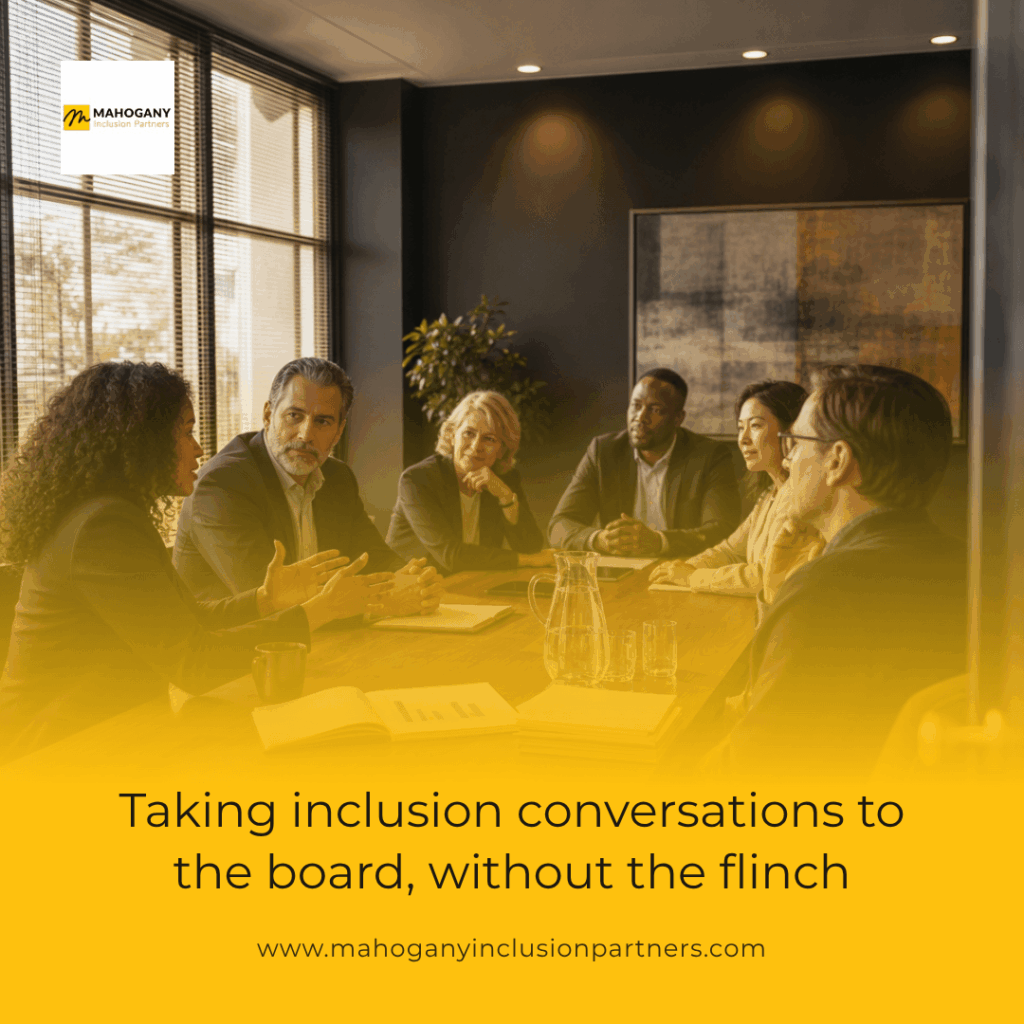
Leadership teams have a critical role in driving meaningful inclusive culture progress. In 2025, forward-thinking organisations are focusing on inclusion as a leadership competency, ensuring their leaders are equipped with the tools and confidence to model inclusive behaviours.
Whether through coaching, facilitated safe space dialogues, or targeted training, leadership development must include practical pathways for embedding inclusion into decision-making and communication.
5. Sustainable inclusive culture initiatives
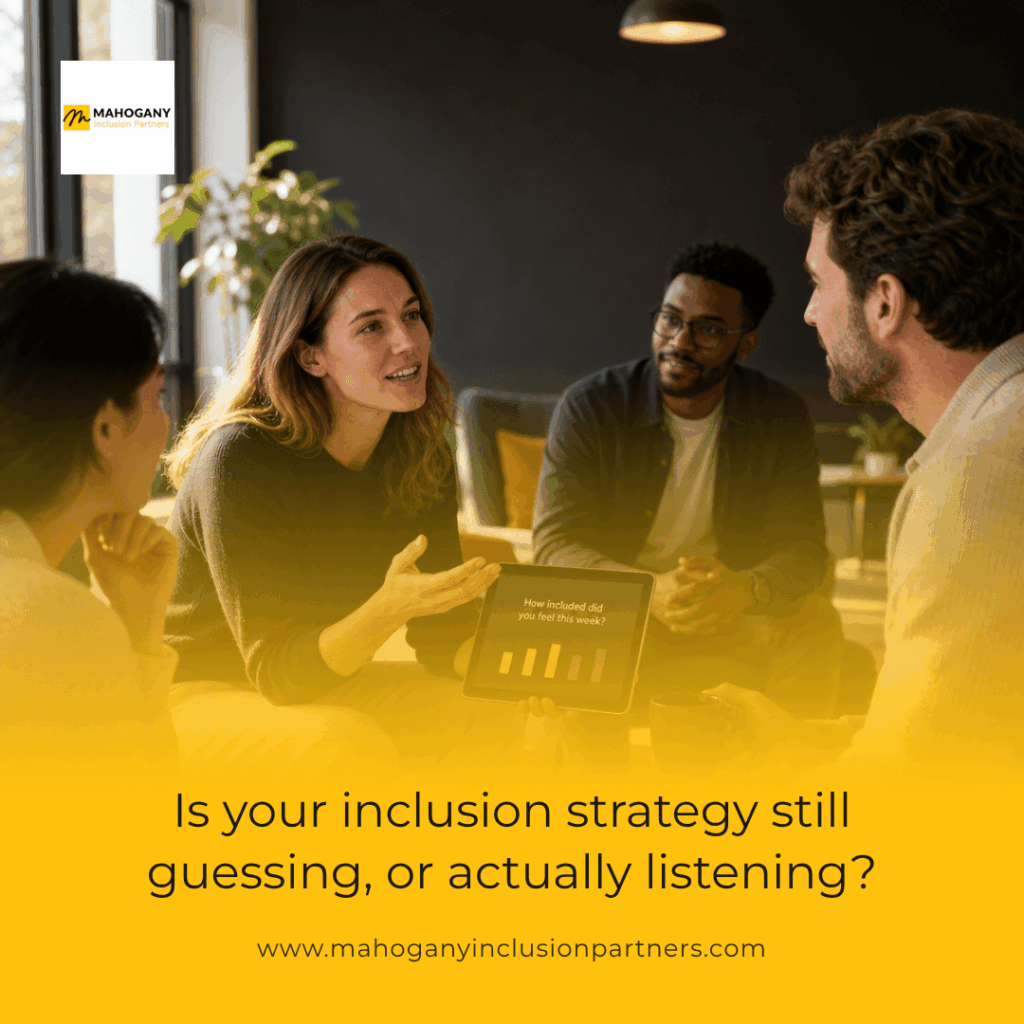
Inclusive culture efforts must go beyond one-off initiatives or compliance measures. Leaders need to adopt a long-term perspective, aligning inclusive culture with organisational goals and building sustainable strategies supported by robust metrics.
At Mahogany Inclusion Partners, we believe this shift is essential to ensure that inclusion becomes part of the fabric of the workplace—not a box-ticking exercise.
Conclusion
The road to 2025 is one of progress, reflection, and opportunity. By embracing these trends and embedding inclusion at every level, leaders can create workplaces that thrive. At Mahogany Inclusion Partners, we’re here to guide you on that journey.