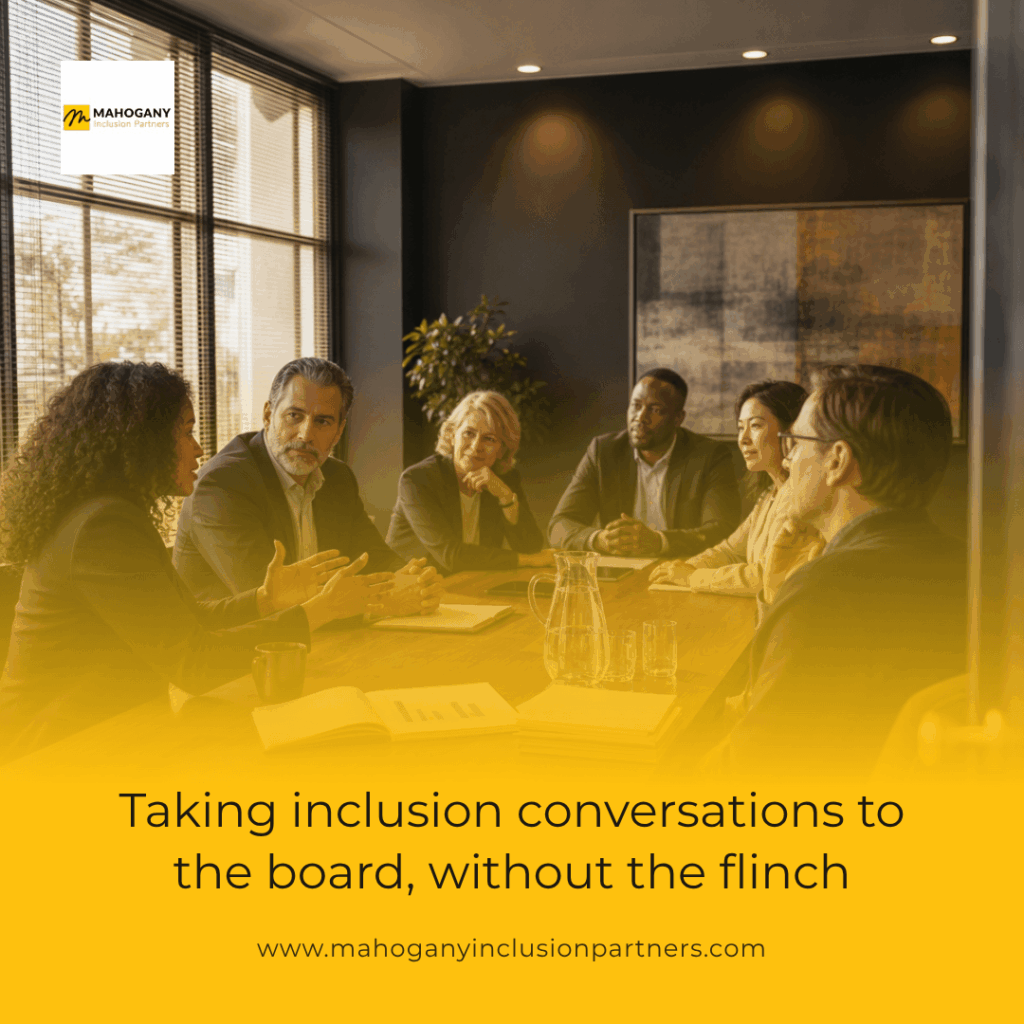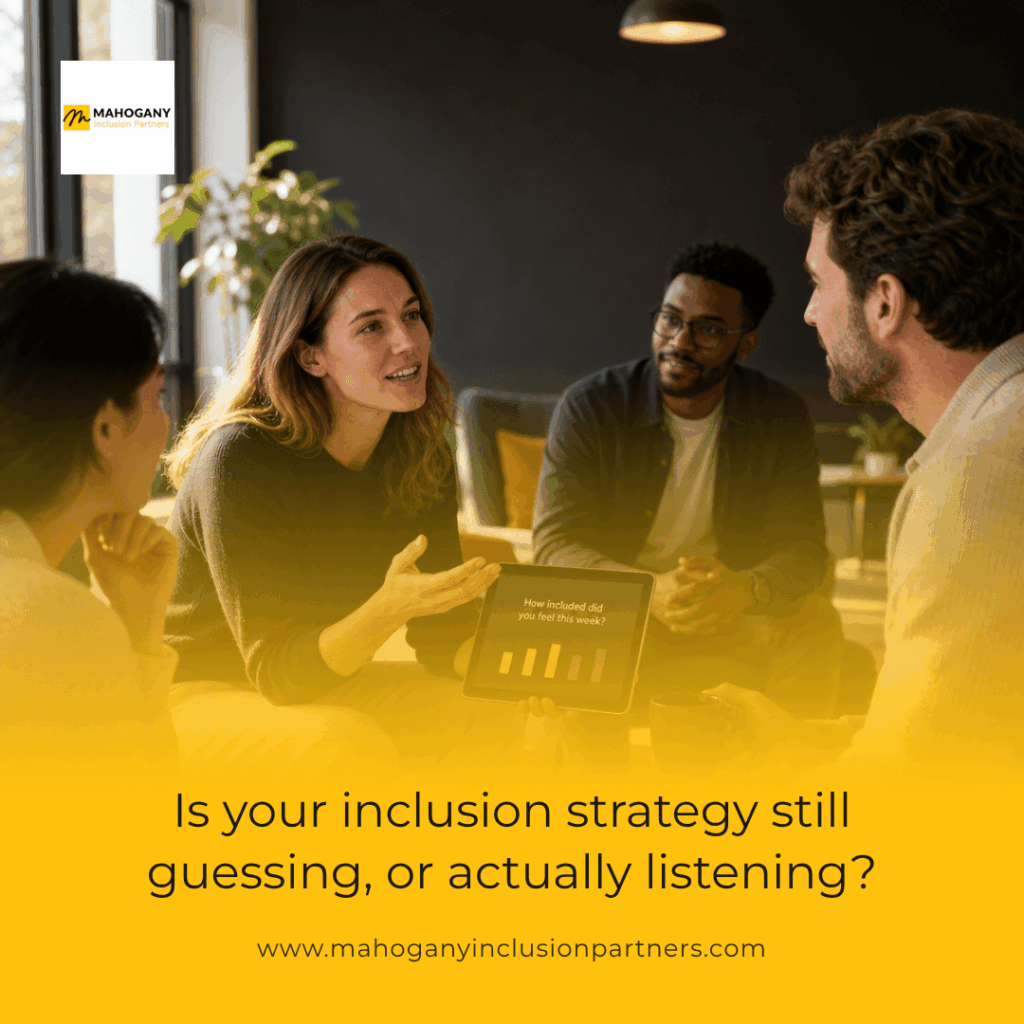

We’ve all been in that meeting. The agenda is clear, the clock is ticking, and the same two or three people dominate the conversation. Decisions get made, actions assigned, and everyone leaves the room – but not everyone has been heard.
It’s easy to overlook the everyday meeting as just a slot in the diary, but meetings are where power, influence, and visibility are built. And if some voices are consistently missing, organisations risk embedding exclusion right at the heart of their decision-making.
Research makes this point clear. Deloitte has found that organisations with inclusive decision-making are twice as likely to meet or exceed financial targets, three times as likely to be high-performing, and six times more likely to be innovative and agile. If your meetings aren’t inclusive, you’re not just missing voices – you’re missing out on results.
The power imbalance in meetings
Meetings mirror the power structures of the wider workplace. Hierarchy, seniority, personality style, and even cultural norms all shape whose voices carry weight. The extrovert who speaks up quickly. The senior leader whose word feels final. The cultural majority who sets the tone.
The result? Others are unintentionally sidelined. Women, people from underrepresented backgrounds, introverts, or more junior team members can find their contributions overlooked. Silence, however, does not equal agreement – it often reflects barriers to participation rather than disengagement.
Why it matters
Who speaks in a meeting doesn’t just affect the decision on the table. It shapes who is seen as credible, promotable, and influential. Over time, consistent patterns of exclusion in meetings translate into systemic inequity in visibility, opportunity, and career progression.
Put simply: inclusion in meetings is not a “nice to have.” It’s a leadership responsibility that has direct consequences for equity and organisational performance.
Practical shifts leaders can make
Creating inclusive meetings isn’t about reinventing the wheel. It’s about embedding intentional practices that rebalance power and ensure all voices are valued. Here are five starting points:
- Rotate facilitation so it’s not always the most senior person leading. This distributes influence and models shared ownership.
- Use structured rounds where each participant has a chance to speak without interruption.
- Actively “pass the mic” by inviting quieter or overlooked colleagues to contribute.
- Build in asynchronous options (shared documents, chat functions, post-meeting reflections) for those less vocal in the moment.
- Equip managers to notice dynamics — and to intervene when certain voices dominate or others are shut down.
A call to leaders
Inclusion doesn’t live in policies and training modules alone. It shows up – or fails to – in the everyday spaces where culture is made. Meetings are one of those spaces.
So at your next meeting, pause and ask: Whose voice is missing? And more importantly, what will you do to rebalance the power in the room?
Because rebalancing meetings isn’t just about fairness. It’s about unleashing the full range of insight, creativity, and potential your people bring — and building the inclusive culture your organisation needs to thrive.